
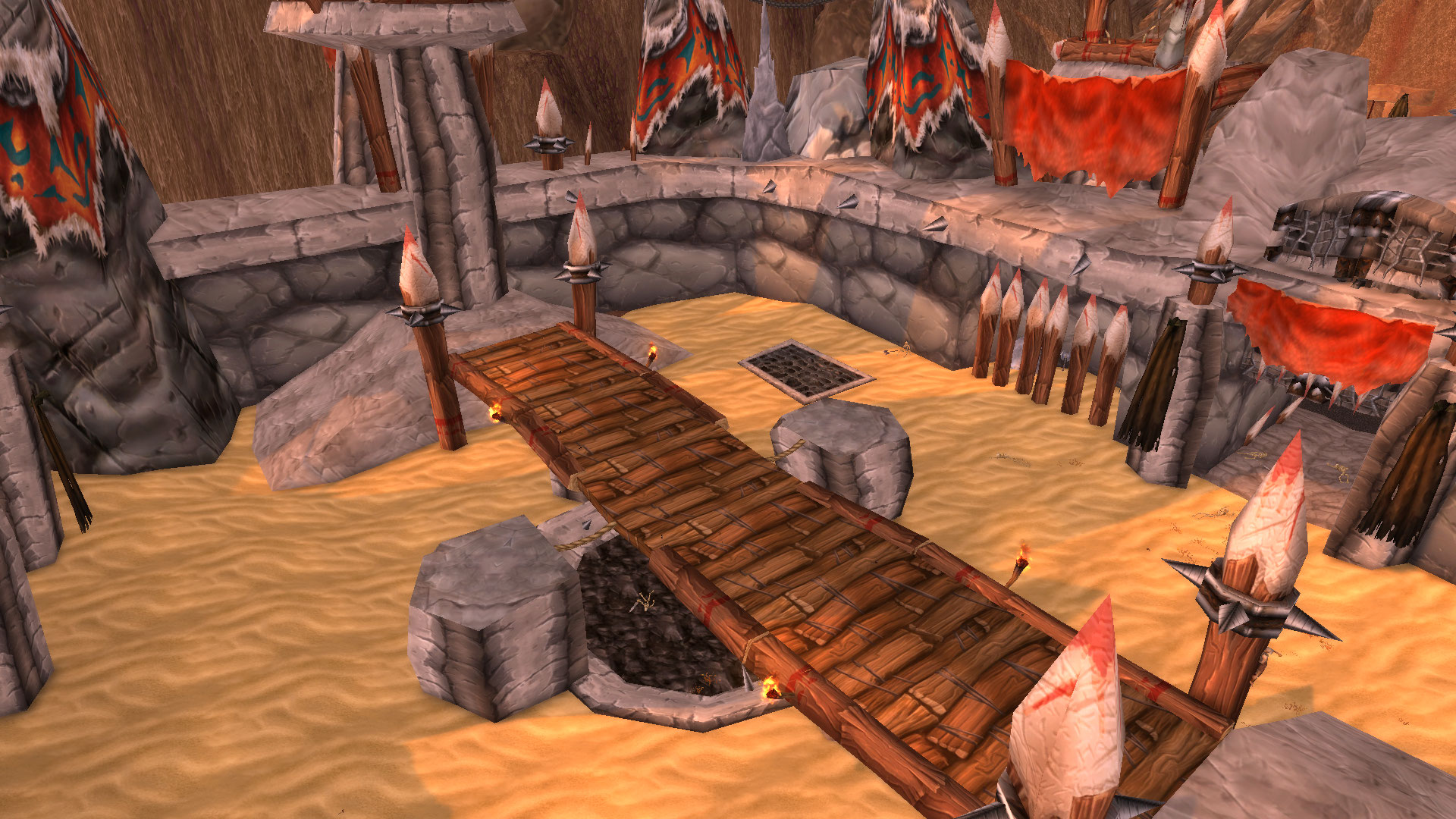
The Blade’s Edge Arena in World of Warcraft: The Burning Crusade (WoW TBC) presents unique tactical challenges due to its distinctive bridge layout and elevation changes. Understanding how to leverage these elements can significantly enhance your team’s performance. This guide delves into the strategic use of elevation and line of sight (LoS) to outmaneuver opponents, control engagements, and secure victory in this dynamic PvP environment.
What are the key elevation and line of sight advantages in Blade’s Edge Arena?
Utilizing elevation and line of sight in Blade’s Edge Arena can provide critical advantages in positioning, damage mitigation, and crowd control opportunities.
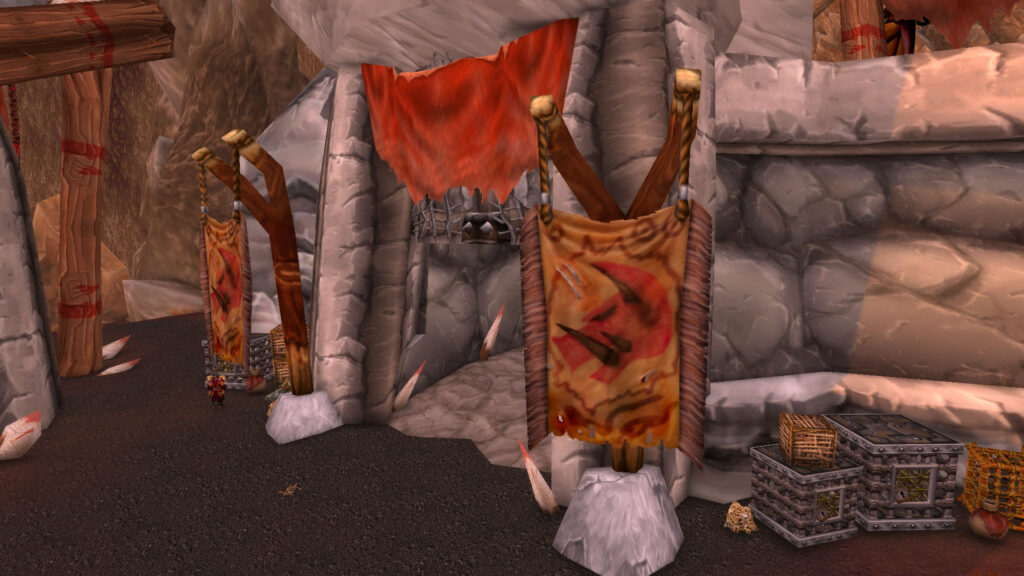
Understanding the arena’s layout is essential for maximizing your team’s effectiveness. The arena features two main bridges that connect elevated platforms, creating opportunities for strategic positioning. The table below outlines the key metrics related to elevation and line of sight advantages that can be leveraged during battles.
| Elevation Advantage | Line of Sight (LoS) Control | Damage Mitigation | Control Opportunities |
|---|---|---|---|
| Height advantage increases ranged attack effectiveness | Obstructions can block enemy spells | Higher ground reduces incoming damage | Use terrain to set up crowd control |
| Improved visibility of enemy movements | Strategic positioning can force enemy movement | Height can negate certain abilities | Control choke points for ambushes |
| Allows for easier escape routes | Can bait opponents into unfavorable positions | Height advantage can enhance healing effectiveness | Setup for area-of-effect abilities |
How does elevation impact combat dynamics in Blade’s Edge Arena?
Elevation plays a crucial role in combat dynamics, affecting visibility, attack range, and overall tactical positioning.
In Blade’s Edge Arena, the height difference between the bridges and the ground level can significantly influence the outcome of engagements. Players positioned on higher ground can easily spot enemies, allowing for preemptive strikes or defensive maneuvers. This advantage is particularly pronounced for ranged classes, as they can attack from a distance while remaining out of reach of melee opponents. Additionally, the elevation can provide a tactical retreat option, enabling players to escape when overwhelmed.
Mechanically, the game calculates damage based on the relative positioning of players. Ranged attacks from higher elevations can have increased effectiveness due to the angle of attack, which can lead to critical hits more frequently. Furthermore, certain abilities may have reduced effectiveness when used from lower ground, making it essential for players to maintain high ground whenever possible. For example, a hunter using their abilities from a bridge can often land shots that a melee class cannot counter effectively.
To capitalize on elevation, players should prioritize positioning during the initial phases of the match. Engaging enemies while on the bridge allows for better control of the battlefield. Players can also utilize mobility skills to quickly ascend to higher ground, ensuring they maintain the advantage. Classes with crowd control abilities can effectively use the elevation to set up ambushes, catching opponents off-guard and securing kills.
What are the best strategies for using line of sight in Blade’s Edge Arena?
Effective use of line of sight can disrupt enemy strategies, protect teammates, and create openings for counterattacks.
Line of sight (LoS) is a critical component of PvP combat in Blade’s Edge Arena. The unique layout allows players to manipulate their positioning to block incoming attacks while simultaneously preparing their own. By utilizing the bridges and surrounding terrain, players can force enemies to reposition, creating opportunities for ambushes or coordinated attacks. Understanding the location of obstacles and elevation changes is essential for maximizing LoS advantages.
To effectively use LoS, players should be aware of their surroundings and anticipate enemy movements. For instance, when engaging a healer, players can position themselves behind obstacles to prevent healing spells from reaching their allies. Additionally, players can use the terrain to bait enemies into unfavorable positions, forcing them to overextend and become vulnerable to counterattacks. Classes with stealth abilities can particularly benefit from this strategy, as they can remain hidden until the perfect moment to strike.
- Identify key obstacles and elevation points on the map.
- Position yourself behind cover to avoid incoming damage.
- Use mobility skills to quickly change positions and maintain LoS.
- Coordinate with teammates to create distractions and capitalize on openings.
How can players effectively combine elevation and line of sight in their strategy?
Combining elevation and line of sight creates a formidable strategy that enhances survivability and offensive capabilities.
To effectively combine elevation and line of sight, players must develop a keen understanding of the arena’s layout and their team’s strengths. By maintaining high ground while using terrain to block enemy attacks, players can create a tactical advantage that is difficult for opponents to counter. This dual approach allows for both offensive and defensive maneuvers, enabling teams to control engagements and dictate the pace of battle.
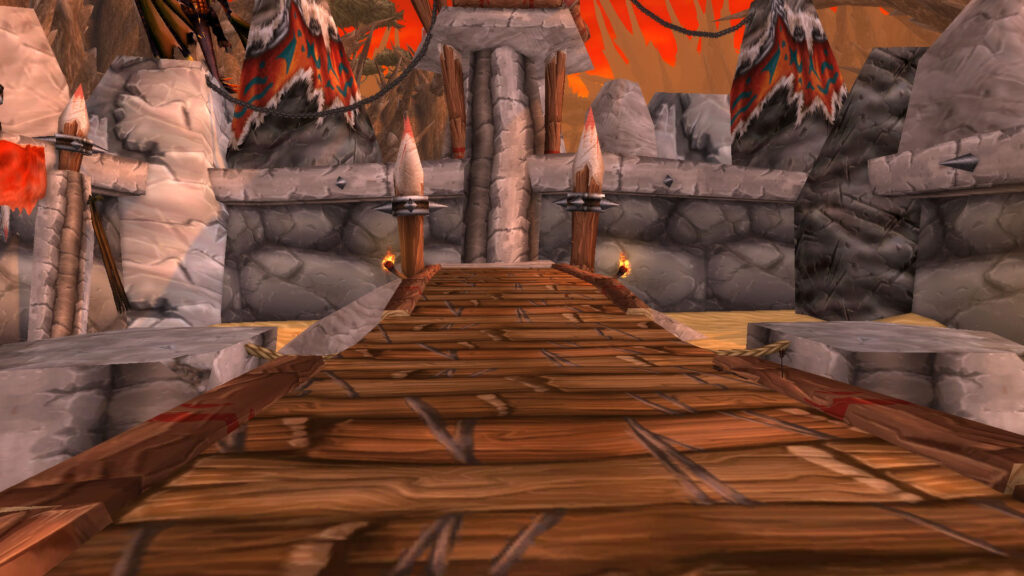
In practice, players should prioritize communication and coordination with their teammates. For example, a team can set up a defensive position on the bridge while sending a rogue to flank the enemy from below. This creates a situation where the enemy is caught between two fronts, unable to effectively respond. Additionally, players should be mindful of cooldowns and positioning, ensuring that they can retreat to safety if the situation becomes unfavorable.
What common mistakes should players avoid when using elevation and line of sight?
Common mistakes include overextending, neglecting communication, and failing to adapt to enemy strategies.
Players often make critical errors when engaging in combat within Blade’s Edge Arena. One of the most common mistakes is overextending while attempting to maintain high ground. This can lead to isolation from teammates and make players vulnerable to focused attacks. Additionally, neglecting to communicate with teammates can result in disjointed strategies, reducing the effectiveness of elevation and line of sight tactics.
Another frequent issue is failing to adapt to the enemy’s strategy. If opponents are effectively countering your positioning, it may be necessary to change tactics rather than stubbornly sticking to a failing plan. Players should also be cautious of their cooldown management, ensuring they have the necessary abilities available to escape or counterattack when needed. By avoiding these pitfalls, players can enhance their overall effectiveness in the arena.
What are the future trends in PvP strategies involving elevation and line of sight?
Future trends in PvP strategies will likely emphasize the importance of terrain manipulation and advanced positioning techniques.
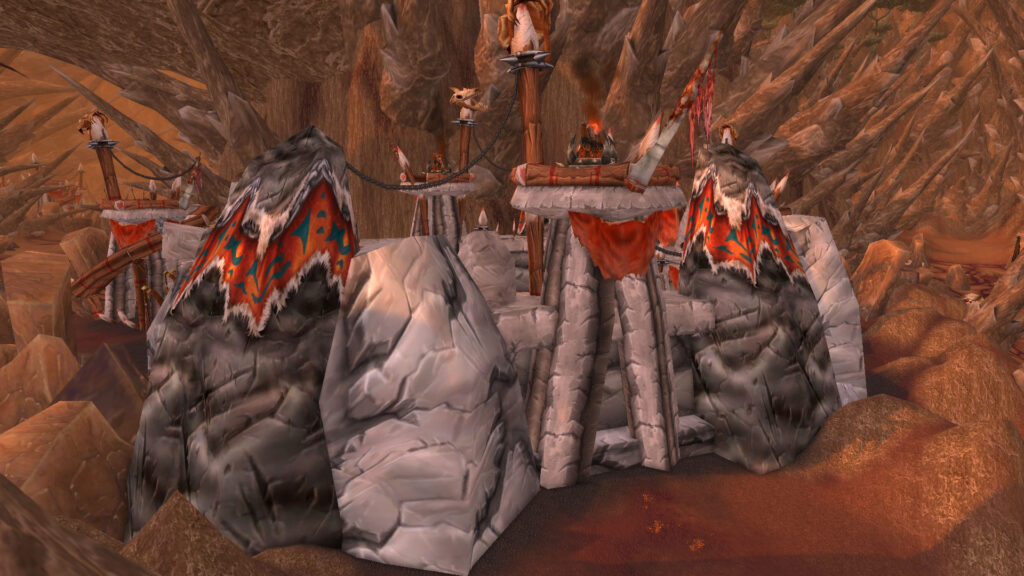
As the meta evolves, players will increasingly focus on mastering the use of elevation and line of sight in their strategies. The introduction of new classes and abilities may further enhance these tactics, allowing for more dynamic engagements. Additionally, as players become more aware of the importance of terrain, we can expect to see more innovative approaches to positioning and movement during battles.
Looking ahead, players should consider how emerging game mechanics can influence their strategies. For instance, new abilities that enhance mobility or provide temporary elevation could change the way teams approach engagements. Furthermore, as players continue to refine their understanding of the arena’s layout, we may see a shift in the overall meta, with teams prioritizing specific compositions that capitalize on these advantages.
Leave a Reply