
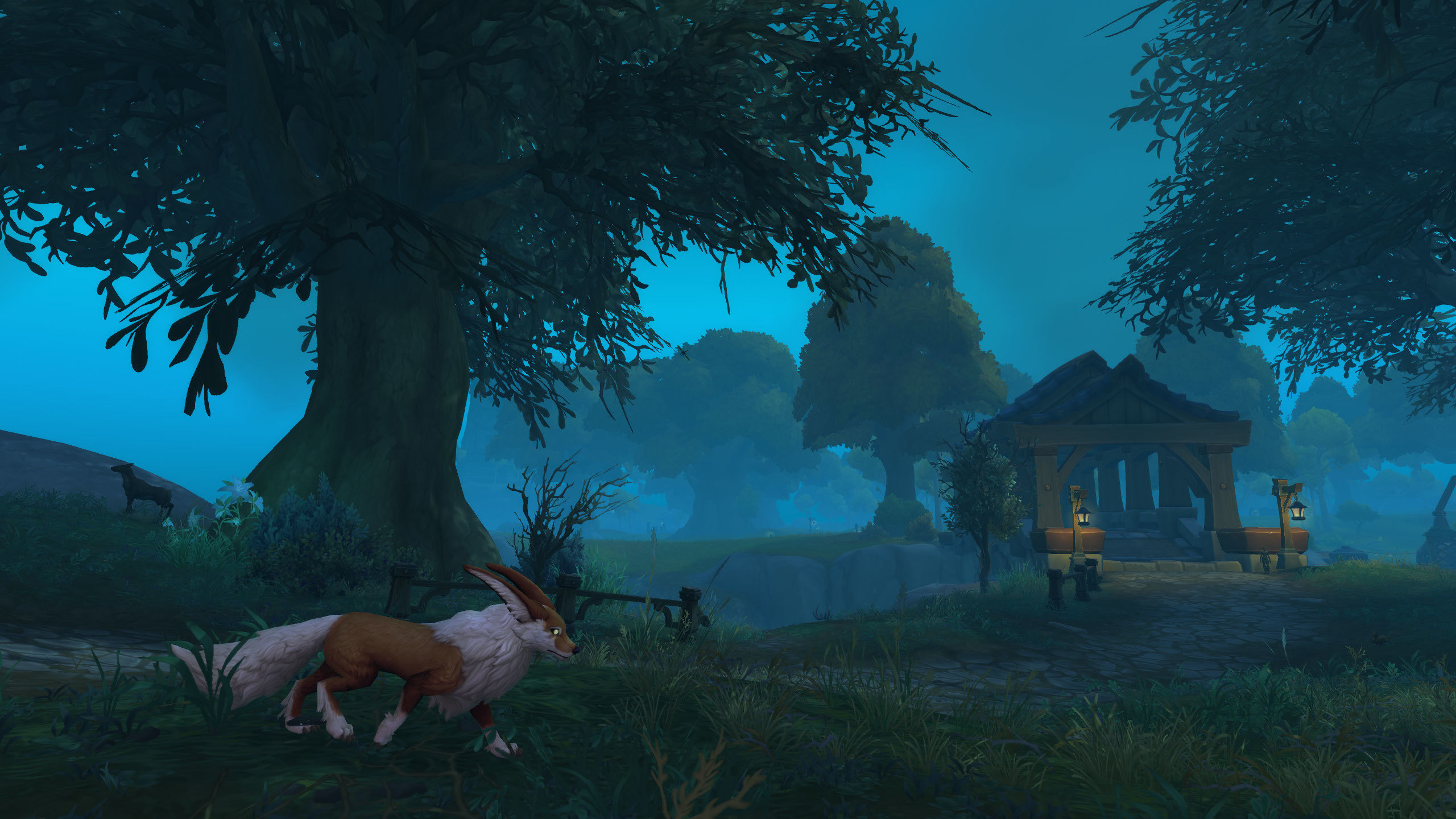
At higher levels of dungeon play, success depends less on raw execution and more on how the run is structured from the start.
Route planning has evolved into a core skill that shapes pacing, risk management, and resource usage. Groups that plan deliberately control the dungeon, while those that improvise often react under pressure.
Routes Define Risk Before Combat Begins
Every routing decision determines which enemies are faced together, which mechanics overlap, and how much pressure the group absorbs at once.
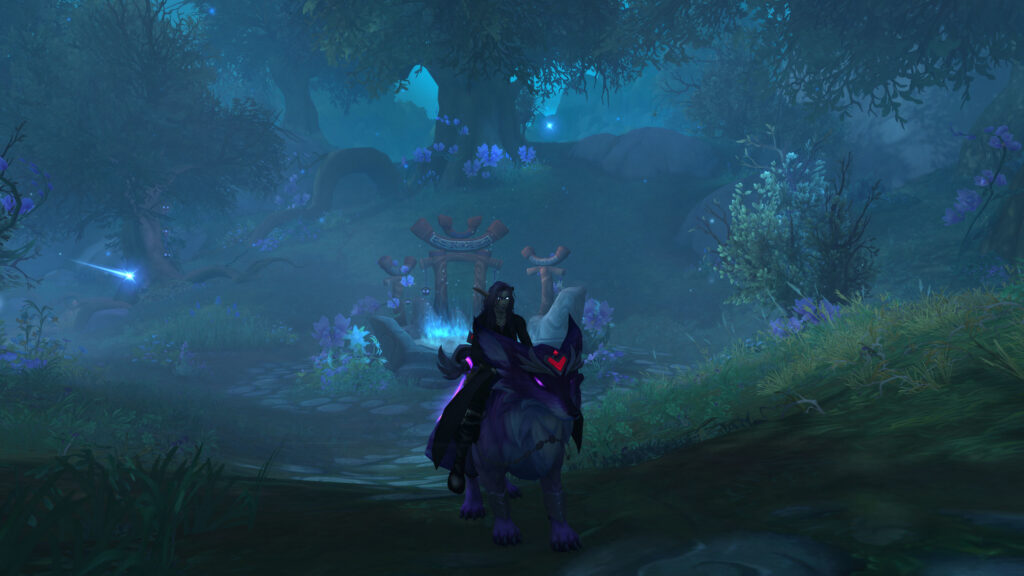
Skilled planners evaluate enemy abilities, patrol paths, and terrain to reduce chaos before the first pull even starts.
Efficiency Comes From Intentional Pull Order
High-level routes are built around intent rather than convenience.
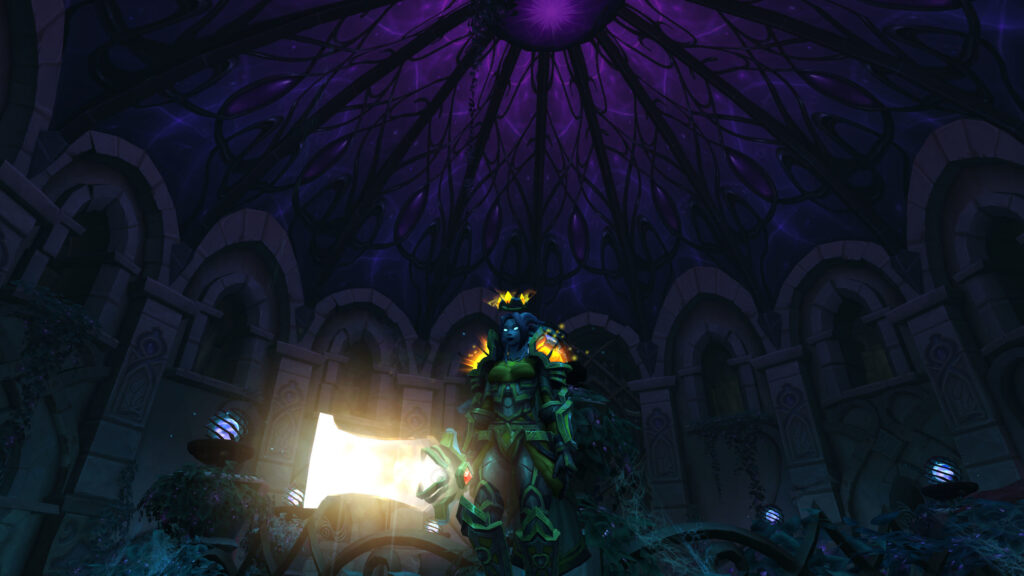
Pull order is chosen to align cooldowns, manage danger spikes, and maintain steady momentum. Efficient routing avoids unnecessary stress and preserves resources for unavoidable challenges.
Adaptation Is Part of the Plan
Strong route planning includes contingency options. Unexpected deaths, missed interrupts, or cooldown desyncs require adjustment without losing control. Groups that understand their route deeply can pivot smoothly instead of collapsing when plans change.
| Routing Element | Planning Focus | Group Benefit |
|---|---|---|
| Pull sequencing | Cooldown alignment | Stable pacing |
| Enemy selection | Ability overlap control | Lower risk |
| Pathing choices | Patrol avoidance | Fewer accidents |
| Fallback options | Recovery planning | Run resilience |
Routing Reflects Group Mastery
As difficulty increases, route planning becomes a shared language within the group.
Everyone understands why pulls happen where they do and how the run is expected to flow. This shared understanding reduces hesitation and improves execution.
Conclusion
Dungeon route planning has emerged as a core skill for high-level group play.
By shaping risk, pacing, and recovery options, strong routes turn complex dungeons into controlled environments. Mastery begins long before the first enemy is engaged.
Leave a Reply