
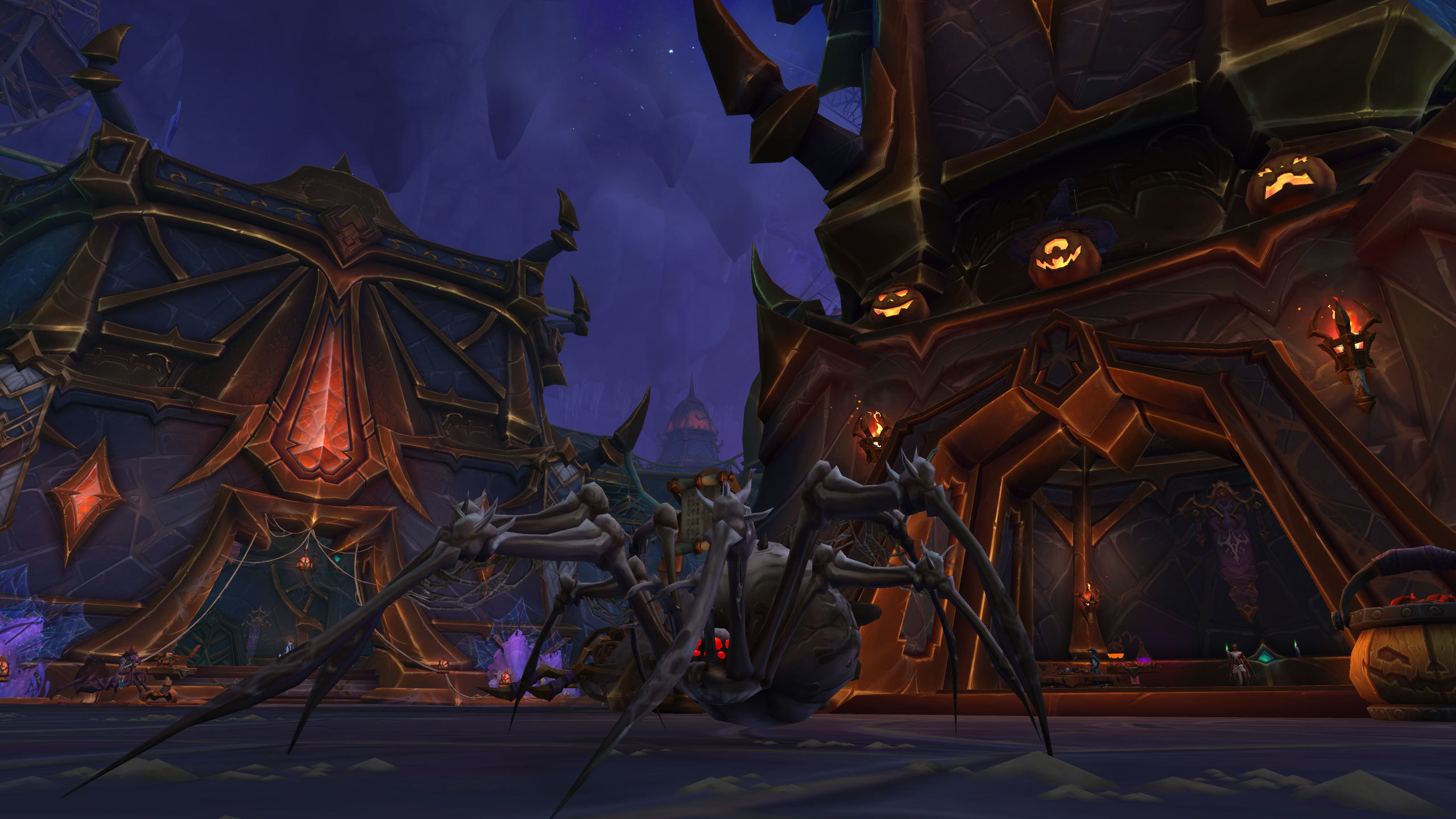
Introduction. From the honor-bound Orcs to the mystical Night Elves, the factions and races of World of Warcraft draw from an intricate tapestry of real-world cultures, mythologies, and philosophies. Blizzard’s designers have long balanced inspiration with originality, crafting civilizations that feel familiar yet fantastical. These influences not only shape aesthetics but also define moral complexity and identity within Azeroth’s ongoing narrative. Understanding these roots reveals how deeply Warcraft reflects—and reimagines—the cultural stories that inspired it.
This article explores the historical, mythological, and artistic inspirations behind WoW’s factions and races, examining how cultural storytelling continues to shape the game’s world and player experience.
The Horde: Honor, Survival, and Tribal Identity
The Horde began as a misunderstood alliance of outcasts and survivors, reflecting themes of tribal unity and resilience. The Orcs draw heavily from shamanistic and nomadic traditions found in Central Asian and Indigenous cultures, emphasizing spiritual connection to nature and ancestors. Their architecture, music, and rituals celebrate community and endurance, painting them as warriors who fight not for conquest, but for belonging.
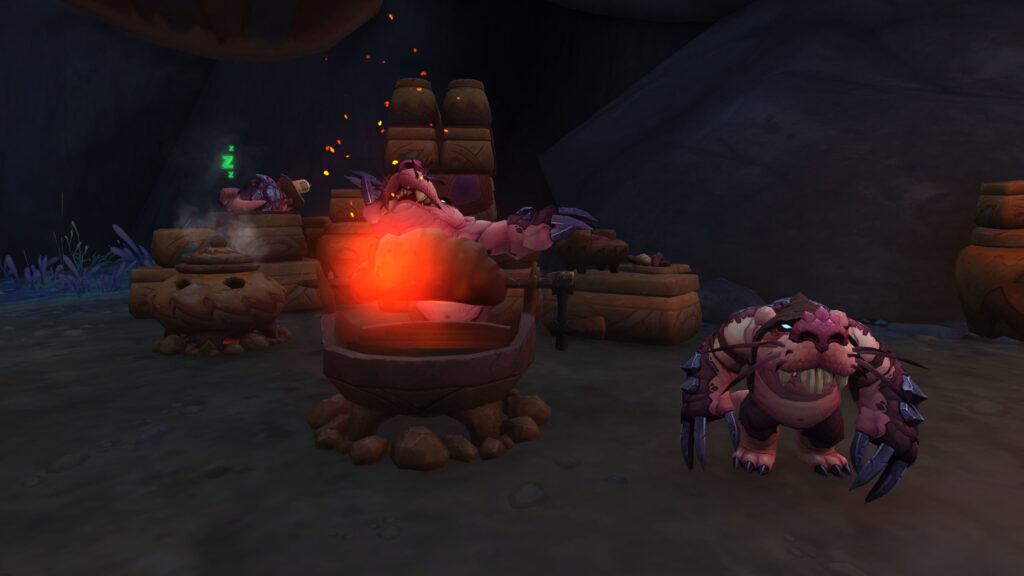
Meanwhile, the Tauren embody harmony and spiritual wisdom, inspired by Native American aesthetics and values. Their respect for balance, life, and the earth forms a philosophical core for the Horde, contrasting the more militaristic tendencies of other races. The Horde’s overarching identity mirrors humanity’s eternal struggle between survival and morality—between aggression and empathy.
The Alliance: Civilization, Order, and Idealism
The Alliance represents unity through structure—a collective grounded in tradition, faith, and moral conviction. Its architecture and political systems echo European medieval influences, particularly those of Arthurian legend and early Christendom. The Humans embody chivalric values, their paladins reminiscent of crusading knights bound by divine duty. This moral framework often blurs into dogma, highlighting the fine line between righteousness and arrogance.
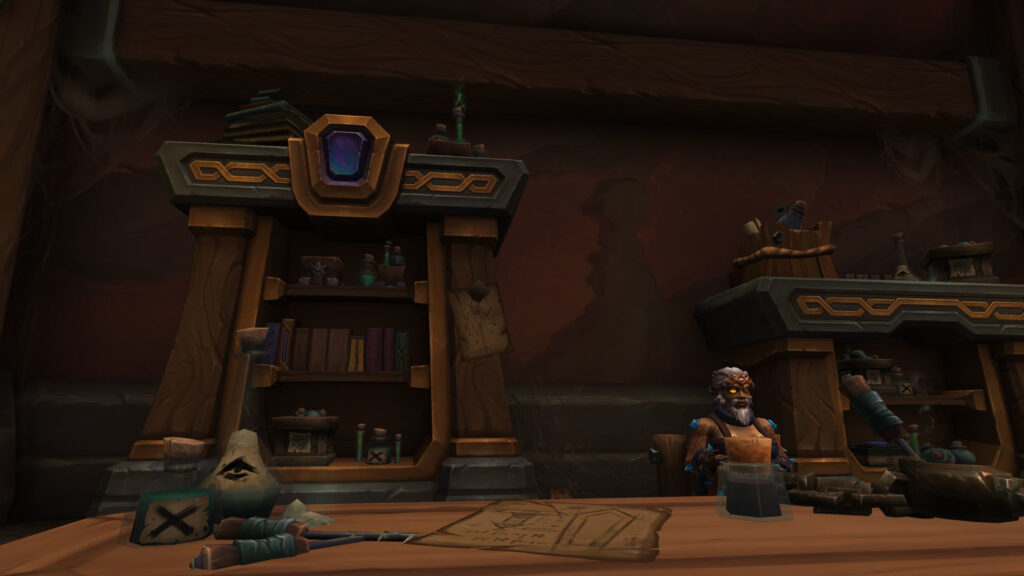
Other Alliance races deepen this diversity. The Dwarves channel Norse mythology through their craftsmanship, stoicism, and reverence for heritage. The Night Elves blend Greco-Roman mythology with environmental mysticism, representing the tension between nature and civilization. Together, these influences create a mosaic of idealism and imperfection—civilization’s light and shadow intertwined.
The Crossroads of Culture: The Neutral Races
Between the great factions exist neutral or culturally hybrid races that symbolize harmony through diversity. The Pandaren are the clearest example, inspired by Chinese philosophy, art, and martial tradition. Their culture draws heavily from Taoism’s principles of balance and mindfulness, reflected in the tranquility of the Wandering Isle and the disciplined fluidity of their combat styles. The Pandaren teach that strength arises from self-knowledge and restraint rather than domination.
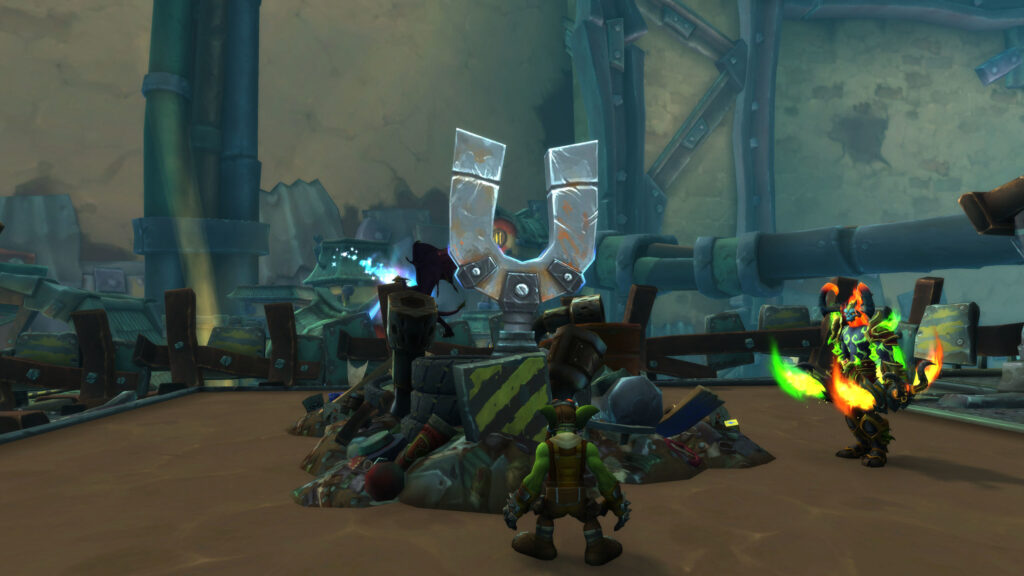
Similarly, the Dracthyr and Goblins represent modern allegories of innovation and moral complexity—one struggling with identity after servitude, the other consumed by capitalism and invention. Each race’s cultural DNA adds depth to Azeroth, making it feel like a world shaped by the same contradictions and aspirations found in reality.
Symbolism and Representation
While Warcraft’s cultural inspirations are diverse, Blizzard’s approach to representation has evolved with time. Early designs sometimes leaned into broad stereotypes, but later expansions refined these portrayals with nuance and respect. The developers sought to celebrate rather than caricature, using cultural motifs to explore universal themes—freedom, duty, and identity.
Races like the Zandalari Trolls and Vulpera exemplify this shift. The Zandalari draw from Mesoamerican aesthetics and mythology, yet their stories now center on legacy, reform, and faith. The Vulpera, inspired by nomadic desert cultures, embody perseverance and ingenuity. Through these portrayals, Warcraft continues to mirror the human experience—its beauty, flaws, and capacity for change.
| Race | Primary Inspiration | Cultural Theme | Narrative Reflection |
|---|---|---|---|
| Orcs | Central Asian & Indigenous Warrior Cultures | Honor and survival through unity | Conflict between tradition and corruption |
| Tauren | Native American Spiritual Traditions | Harmony and earthbound faith | Guardianship of nature and balance |
| Humans | Medieval Europe & Christianity | Faith and order | Morality tested by pride and politics |
| Pandaren | Ancient Chinese Philosophy | Balance and inner peace | Wisdom through moderation and mindfulness |
Worldbuilding Through Cultural Harmony and Conflict
Blizzard’s ability to blend diverse cultural influences gives Warcraft’s world its texture. Every faction embodies a philosophy—chaos and order, war and peace, self and society. Their conflicts mirror humanity’s own struggles across history, reminding players that identity and ideology are never static. This synthesis of real-world inspiration with fantasy invention gives Azeroth its credibility; it feels ancient, layered, and alive.
By interweaving global myths into its design, WoW transforms culture into narrative energy. The result is not imitation, but interpretation—an ongoing dialogue between reality and imagination that keeps Azeroth endlessly fascinating and relevant.
Conclusion
WoW’s factions and races endure because they reflect the world that created them—diverse, conflicted, and full of meaning. Each culture, from the disciplined Pandaren to the defiant Orcs, tells a story of humanity’s search for purpose and balance.
Blizzard’s fusion of global influences continues to evolve, turning cultural storytelling into a timeless dialogue between player and world. In every race’s myth lies a truth: that even in fantasy, our shared stories unite us across borders, ages, and realms.
Leave a Reply