
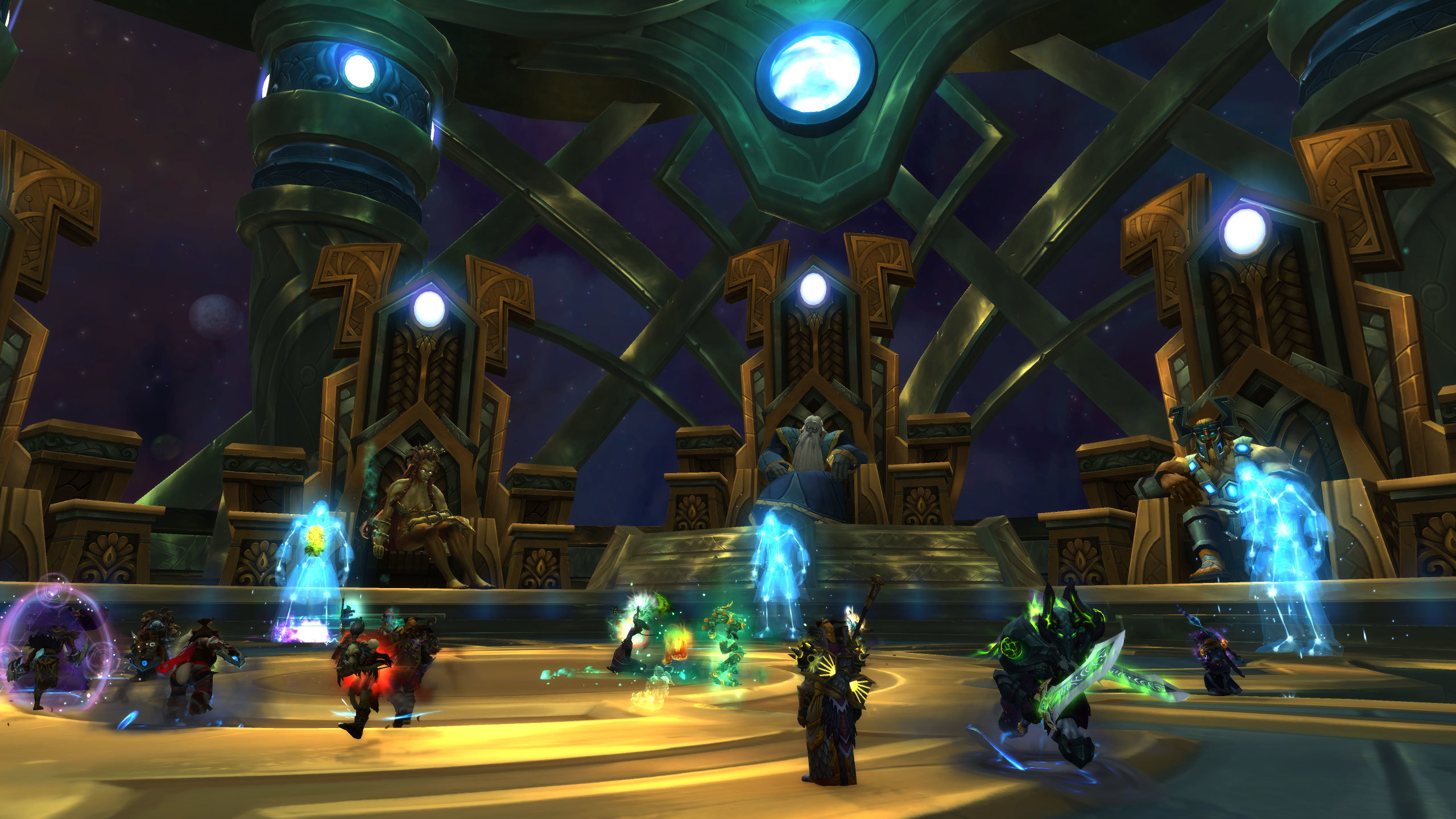
The tank role has evolved far beyond simply staying alive and holding threat. Modern encounters place tanks at the center of group tempo control, where positioning, pull pacing, and decision timing shape the entire run.
Survival remains essential, but how and when tanks act now determines overall efficiency and stability.
Pull Timing Sets the Pace
Tanks decide when combat begins and how aggressively it unfolds. Choosing pull size, spacing engagements, and aligning with group cooldowns directly influences momentum.
A well-paced tank keeps pressure manageable while maximizing uptime for damage dealers and healers.
Positioning Controls Chaos
Where enemies are fought often matters more than how hard they hit. Tanks who position packs to avoid patrols, minimize frontal overlap, and maintain clear sightlines reduce incoming damage and simplify mechanics.
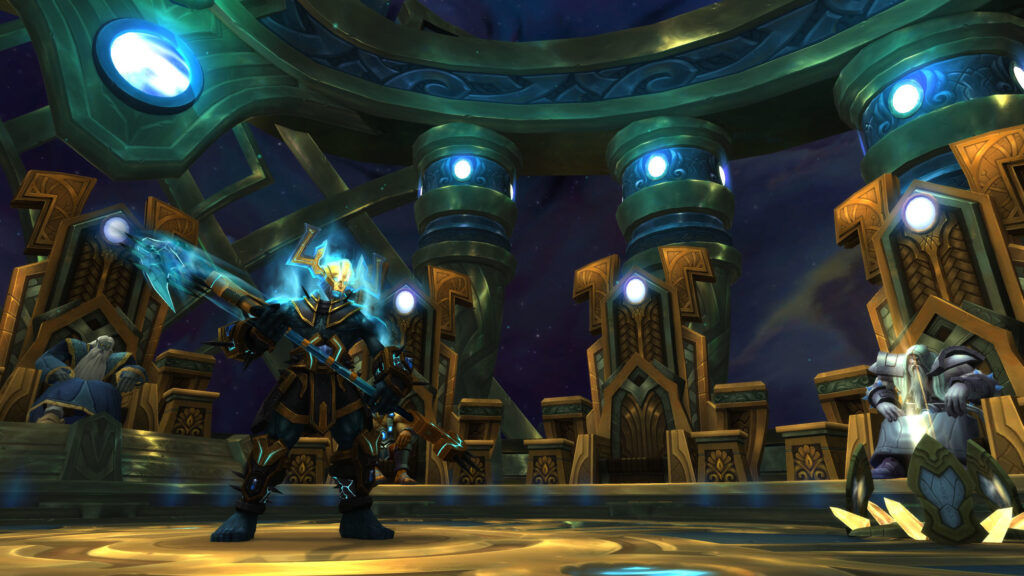
Good positioning turns dangerous pulls into controlled encounters.
Tempo Adjustments Prevent Snowballing
Recognizing when to slow down is as important as knowing when to push. After deaths, cooldown gaps, or execution errors, tanks who adjust tempo stabilize runs. Overcommitting during unstable moments often leads to wipes and lost time.
| Tank Decision | Group Effect | Tempo Outcome |
|---|---|---|
| Aggressive pulls | High pressure | Faster clears |
| Controlled pacing | Stable damage intake | Consistent progress |
| Repositioning | Cleaner mechanics | Lower chaos |
| Deliberate slowdowns | Cooldown recovery | Run stabilization |
Leadership Emerges Through Action
Tanks lead primarily through movement and timing rather than words. Confident, readable decisions build trust within the group.
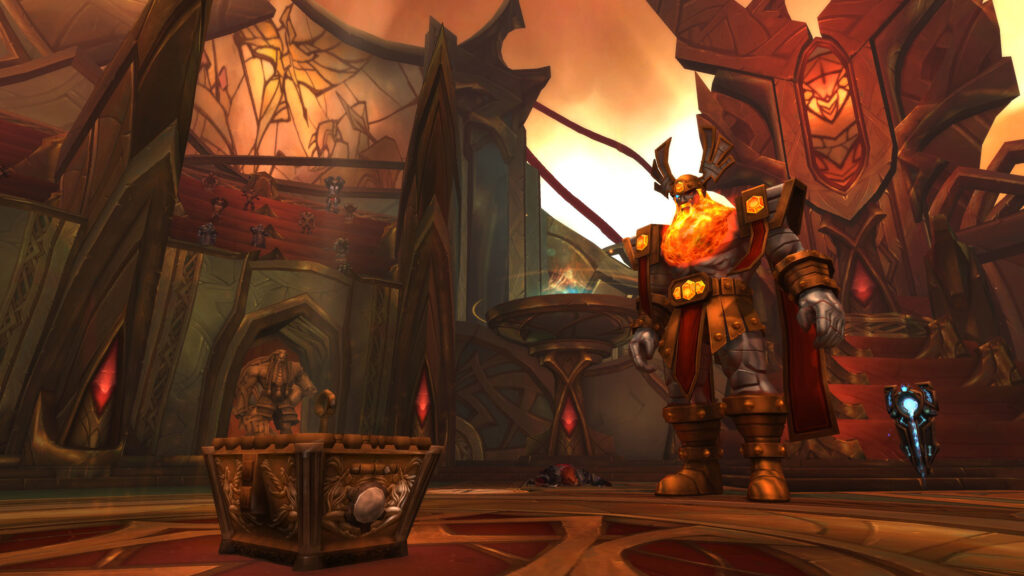
When tanks control tempo effectively, the entire team performs with greater confidence and focus.
Conclusion
Tank responsibility now extends beyond survival into full group tempo control.
By managing pull timing, positioning, and pacing, tanks shape the success of every encounter. Mastery lies not only in staying alive, but in deciding how the fight unfolds.
Leave a Reply